THE EQUINOX THRESHOLD: Herbal Allies for the Turn Toward Fall
At the autumn equinox, the sun sits at its highest point in the sky. Light and dark stand in exact balance.
Autumn is the intersection of celebration and release. We’re still savoring the last of summer's harvest, celebrating Mother Earth's bounty. Seasonal nourishment, plucked from the vines, ending the cycle of fertility for the year. The leaves painted golden, orange, and red hues. A fiery crescendo, signaling the shift brewing. At this threshold nature calls for balance. The energy of the season calls us inward. To take inventory of the harvest we cultivated through the season. What flourished under our care? What did not? What seed do you wish you had planted? What seeds were never yours to plant?
A Season of Balance
The autumn equinox marks the exact midpoint between the height of summer's expression and the deep stillness of winter. Energetically, it's less an ending than a readjustment. In this moment our own inner rhythm starts to shift from expressed and expended toward contained and conserved.
This is the invitation for the equinox: to take stock of where you are fully expressed and fully spent, to let it go, and to allow the natural descent to begin. The garden already knows how to do this without resistance. The leaves don’t fight the turning, they just change color and let go. There’s a quiet wisdom in that kind of surrender.
Three Traditions, One Season
This threshold shows up across many healing traditions.
In Traditional Chinese Medicine, autumn belongs to the metal element – the lungs, the breath, the letting go – paired with grief as the season’s own emotion. In Ayurveda, the season ushers in the rise of Vata: dry, light, cool, mobile qualities that leave us feeling scattered and cold if left unchecked. We meet these energies with warmth, routine and grounding to support in the transition. Folk Herbalism has always anchored in the wisdom that when the weather turns, you turn to warming roots, spices, and the preserved harvest. Three different traditions, same wisdom. Warm what’s gone cold, ground what’s gone scattered, and release what no longer needs carrying.
Warming Herbal Allies for the Shift
As the heat of summer extinguishes and the cold begins to settle in, we can turn to herbs to offer a simple remedy for the shift: grounding warmth. Herbs that support the Autumnal intersection of celebration and release.
Ginger (Zingiber officinale) is one of the great warming allies of this transition. A circulatory stimulant used across TCM, Ayurveda, and Western folk herbalism alike to move stagnation and support digestion.
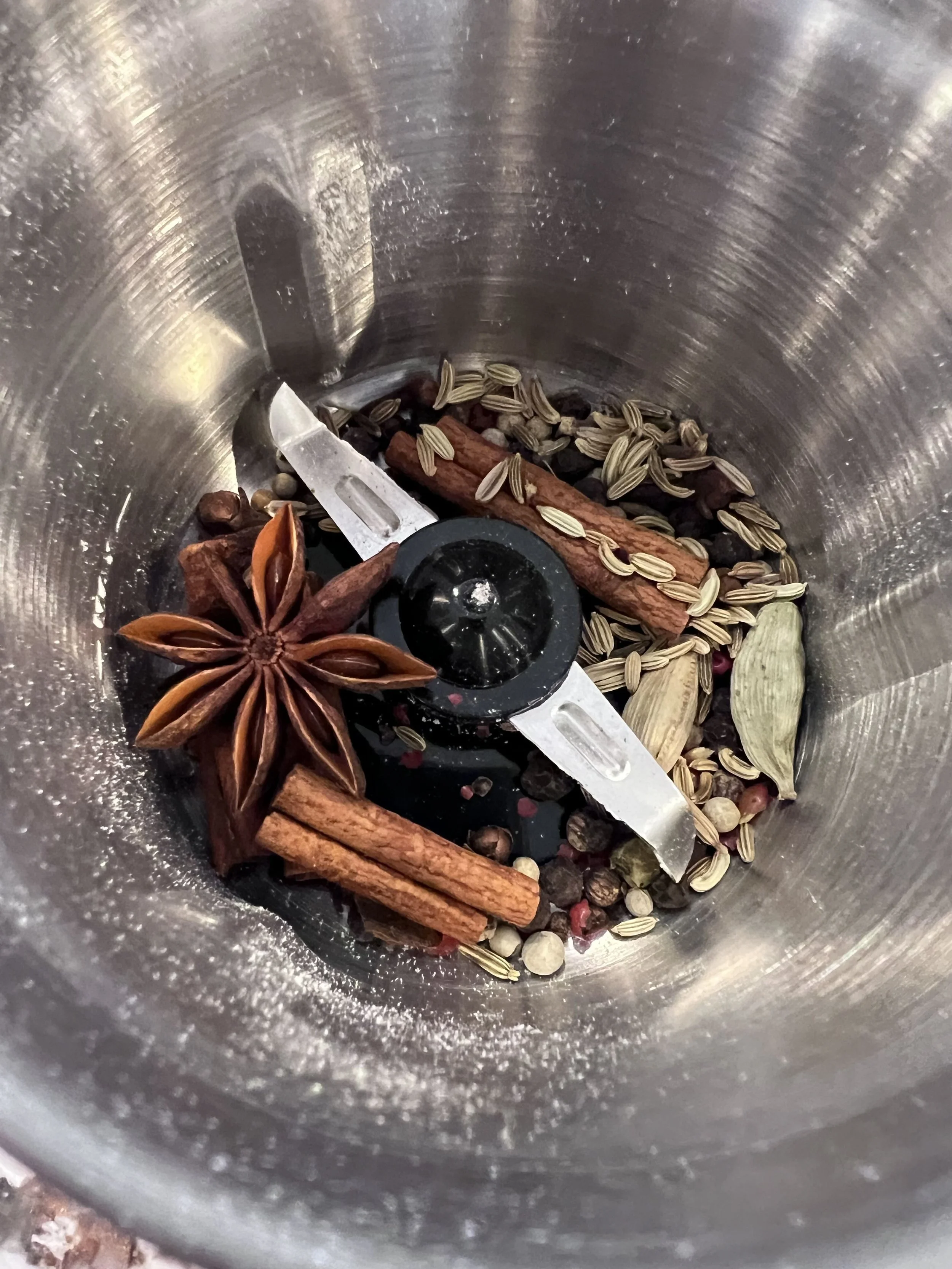
Cinnamon (Cinnamomum verum), Cardamom (Elettaria cardamomum), and Clove (Syzygium aromaticum) are a synergistic trio long used across culinary and folk herbal traditions for their warming, carminative qualities. These spices settle the body from the inside out.
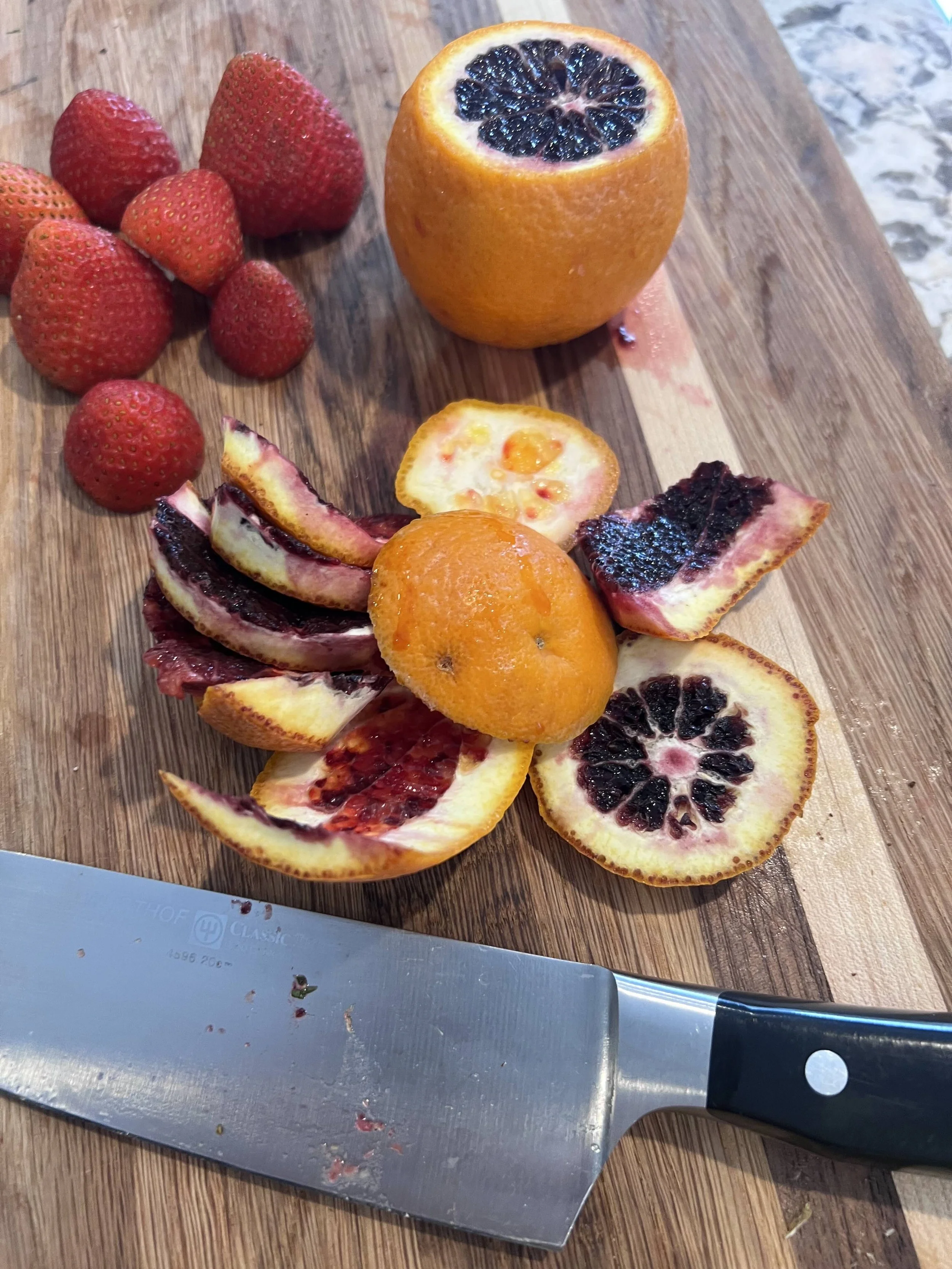
Orange peel (Citrus sinensis) brings brightness and a gentle lift to warming blends. Anise (Pimpinella anisum) offers a soft, aromatic sweetness alongside digestive support.
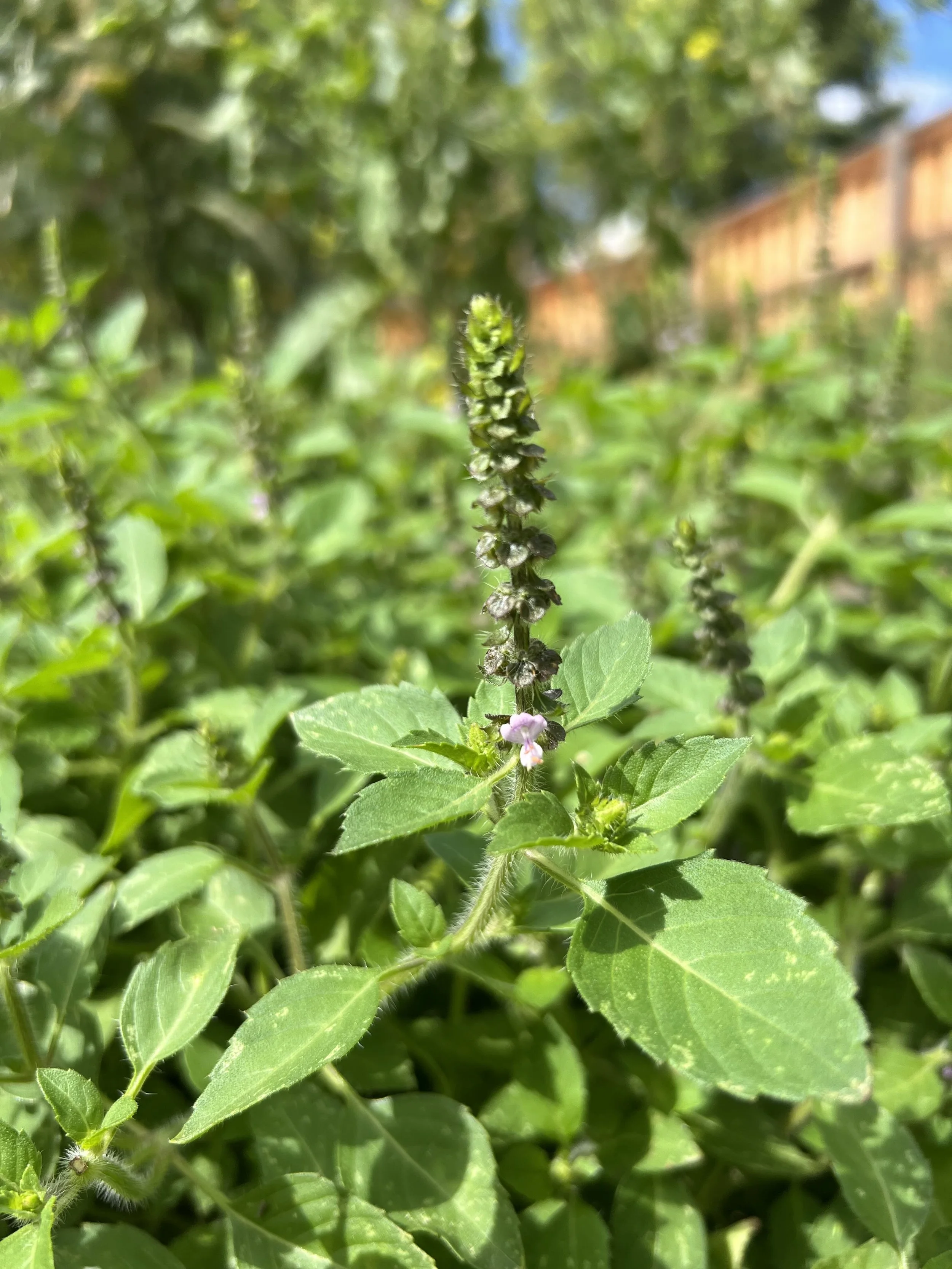
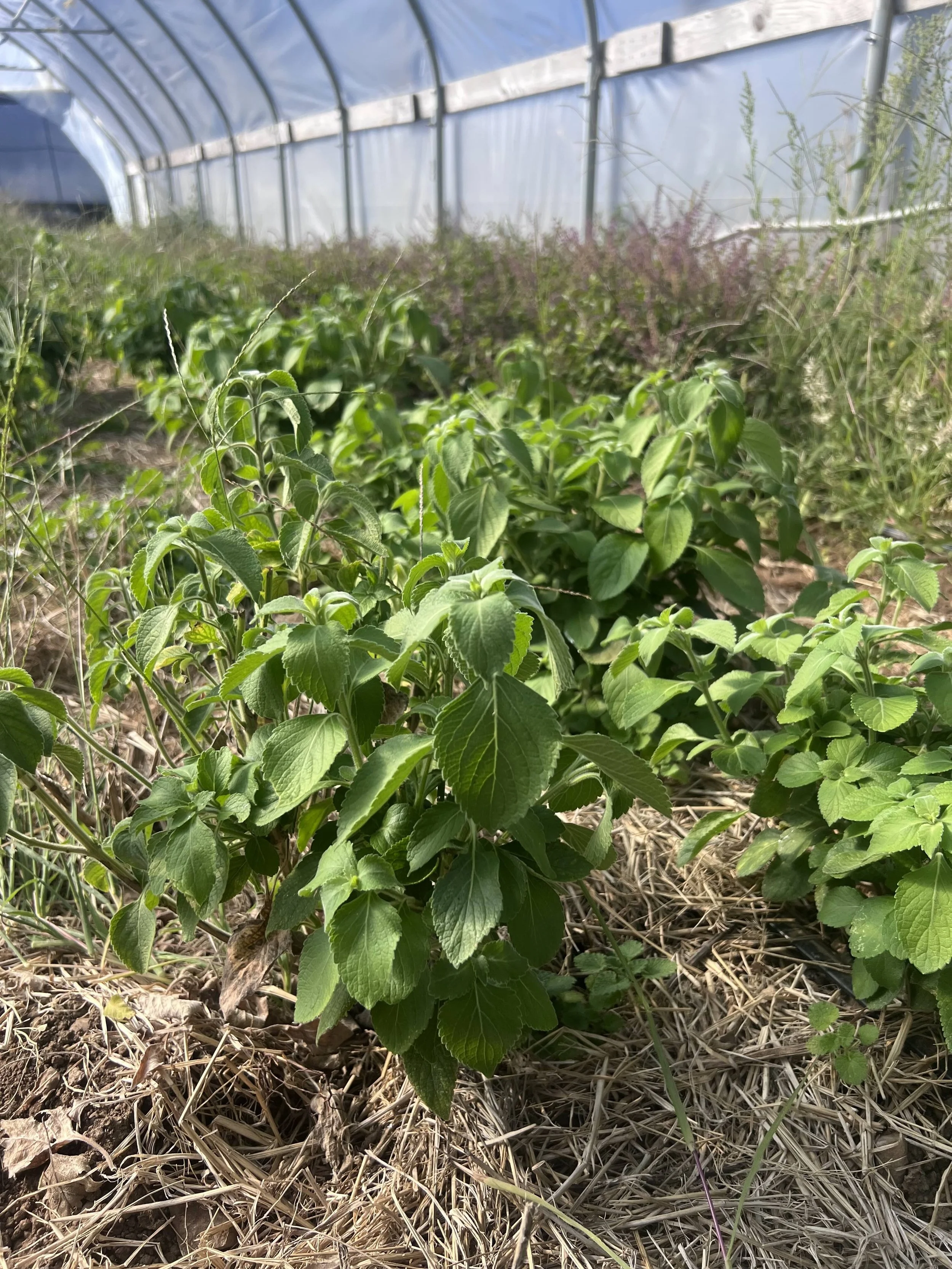
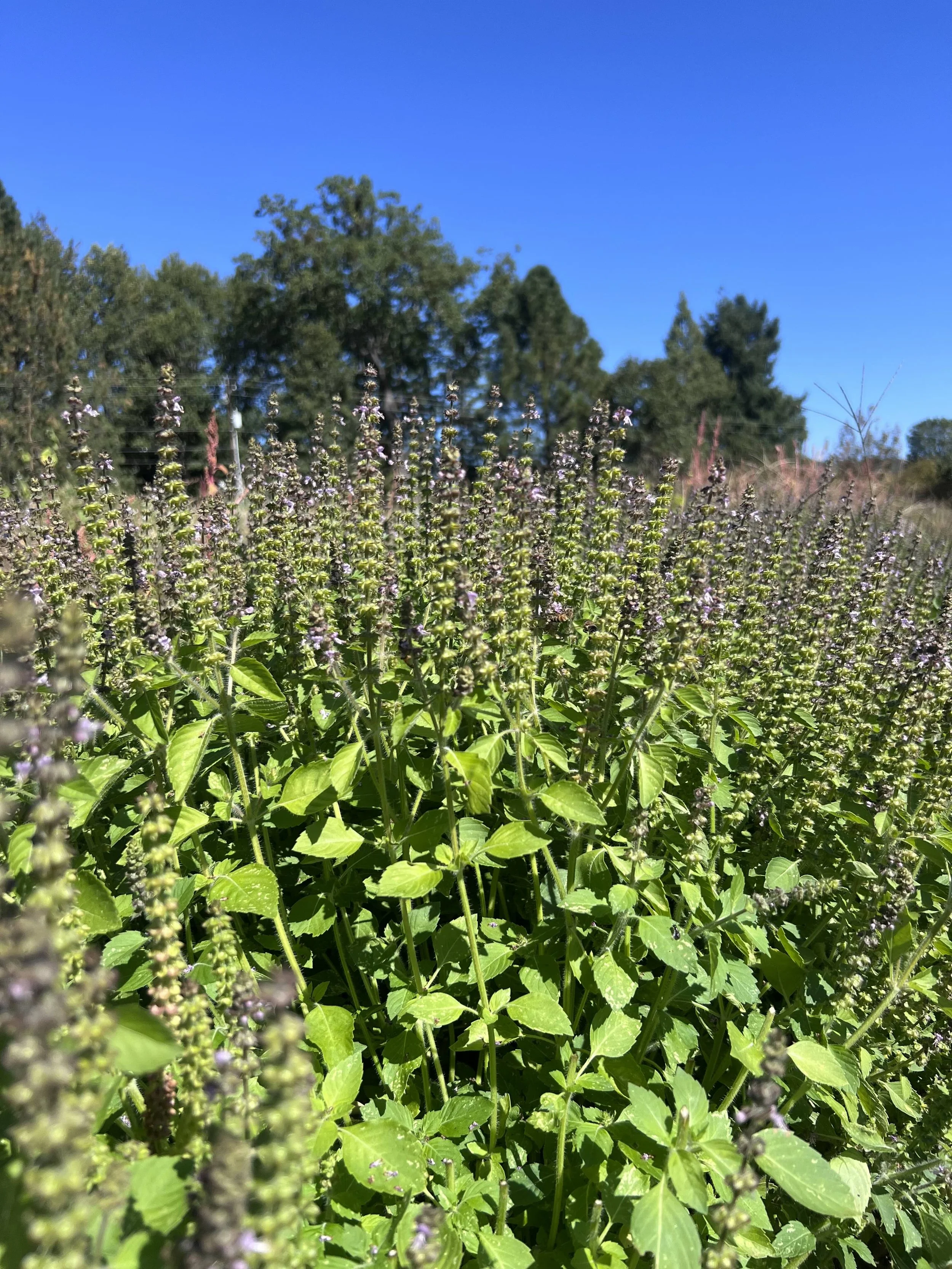
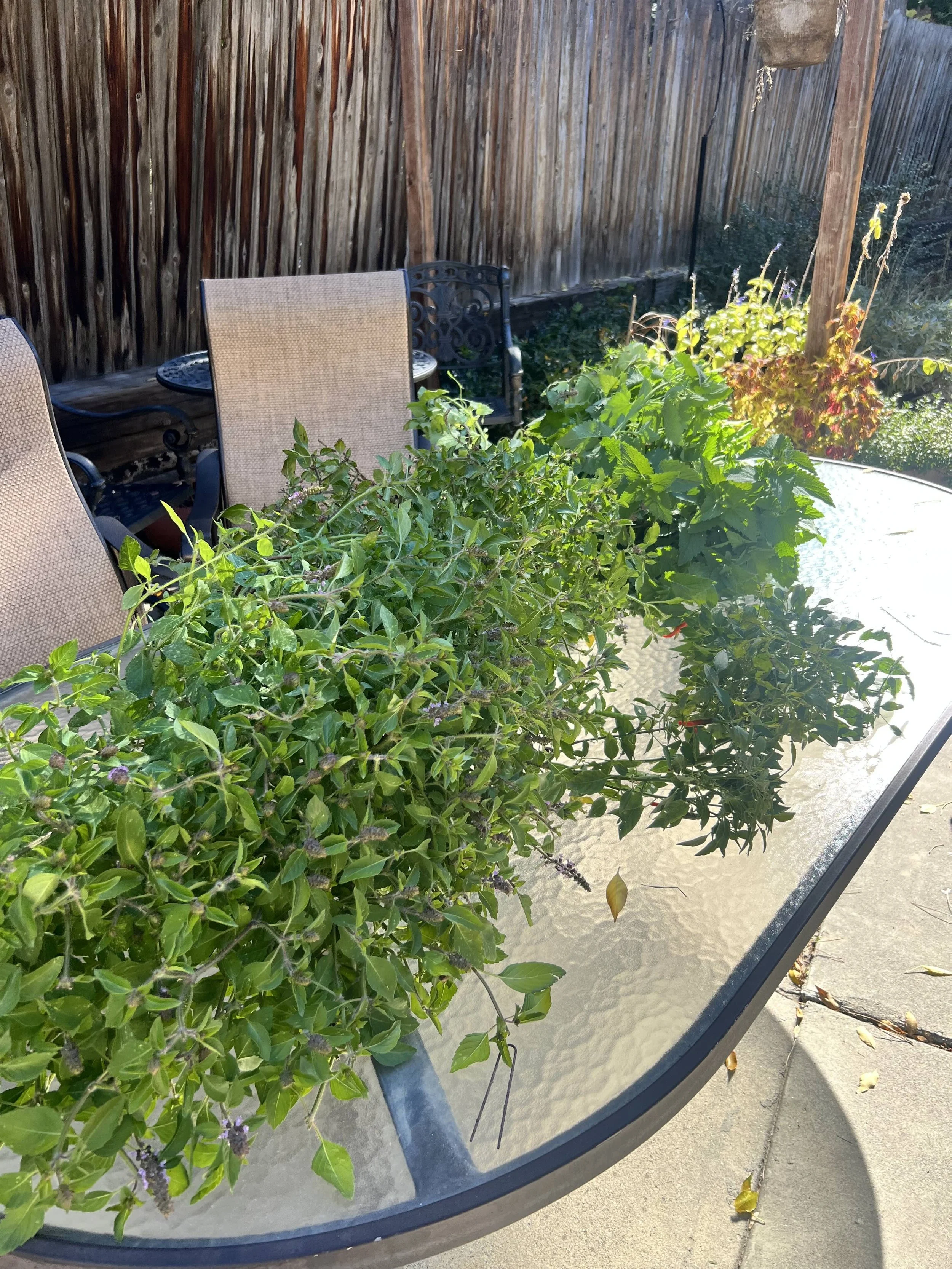
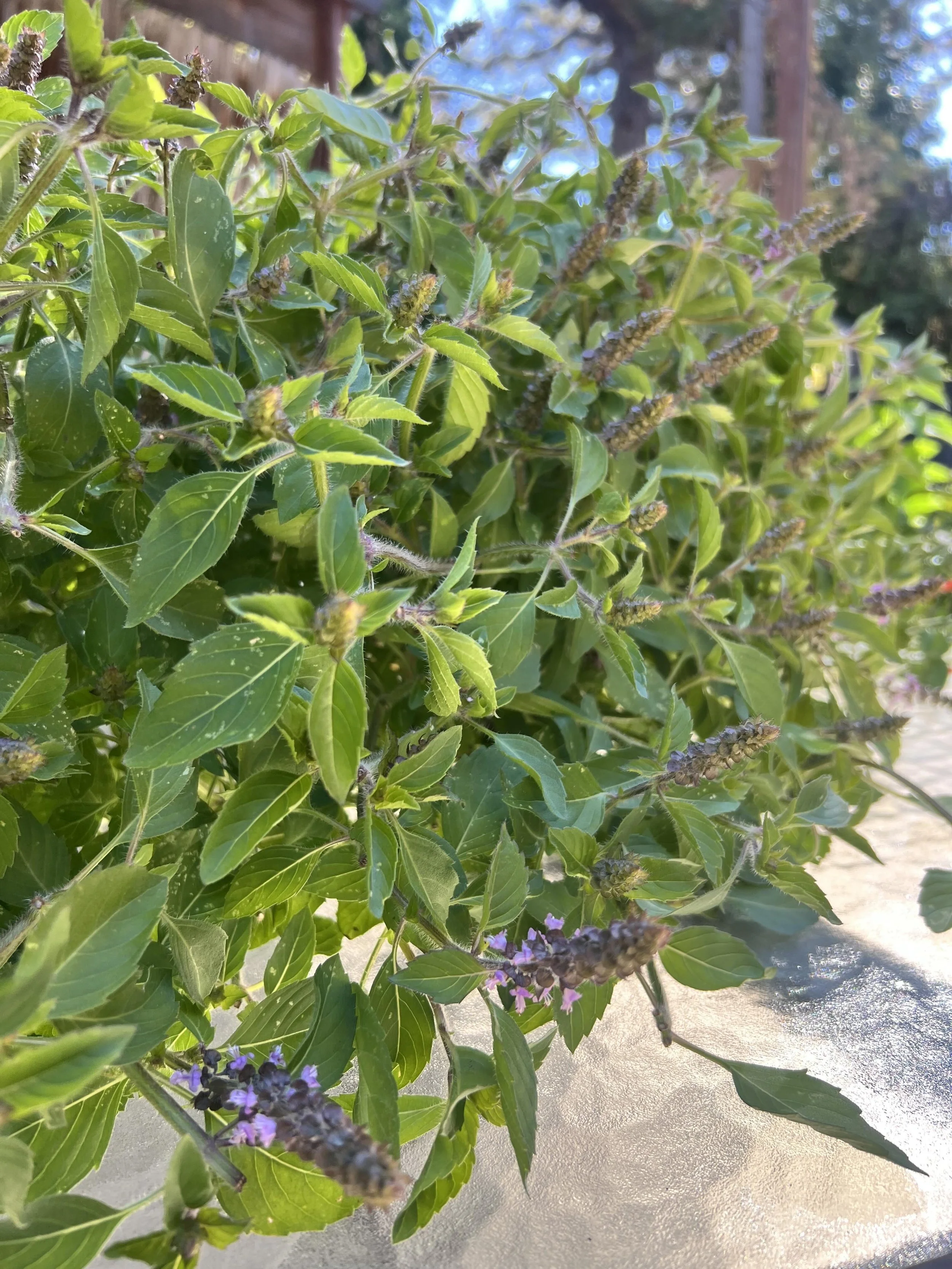
Tulsi (Ocimum sanctum), or Holy Basil, is one of Ayurveda's most beloved adaptogens. It was traditionally used to buffer the body's stress response as the season shifts, and to open the heart and mind with a clarity that feels especially needed as the light begins to fade. I come back to tulsi again and again, in tea and in practice both.
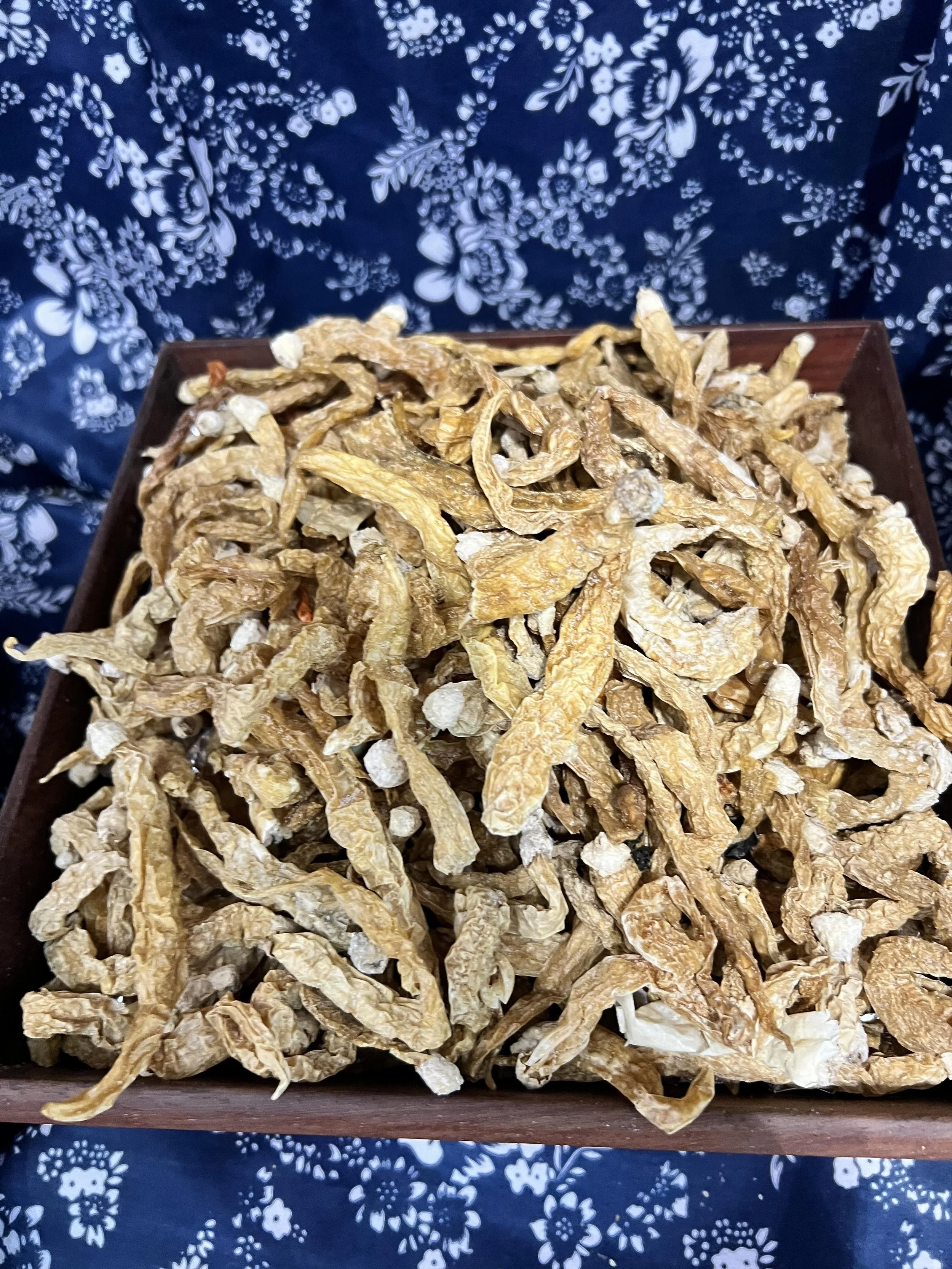
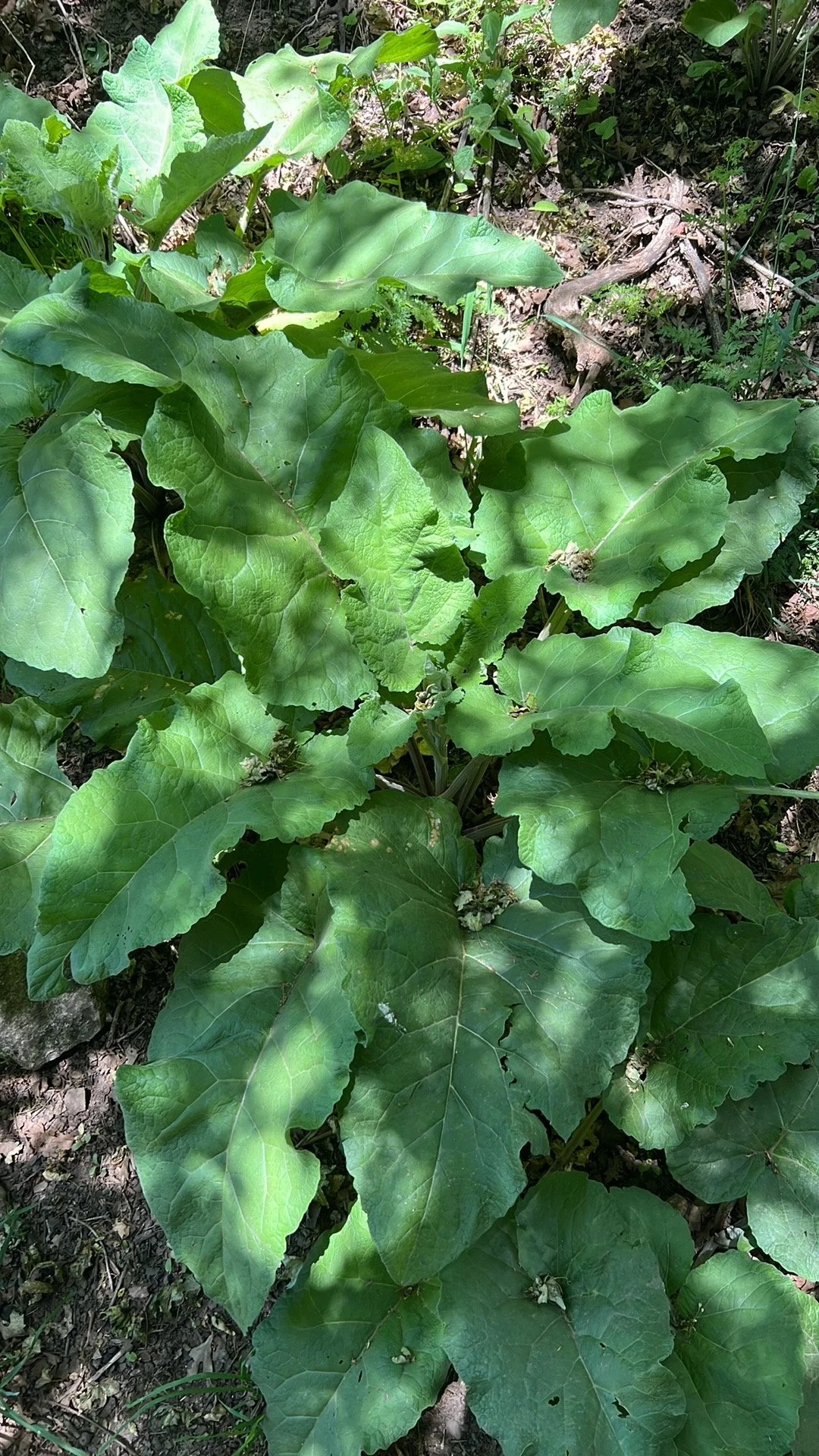
Burdock root (Arctium lappa) is folk herbalism's quiet workhorse. This bitter, liver-supportive root is used to clear skin and smooth digestion as the body processes the abundance of summer's harvest. It's also one of the few roots best harvested in fall itself, which feels like the plant offering exactly what the season calls for.
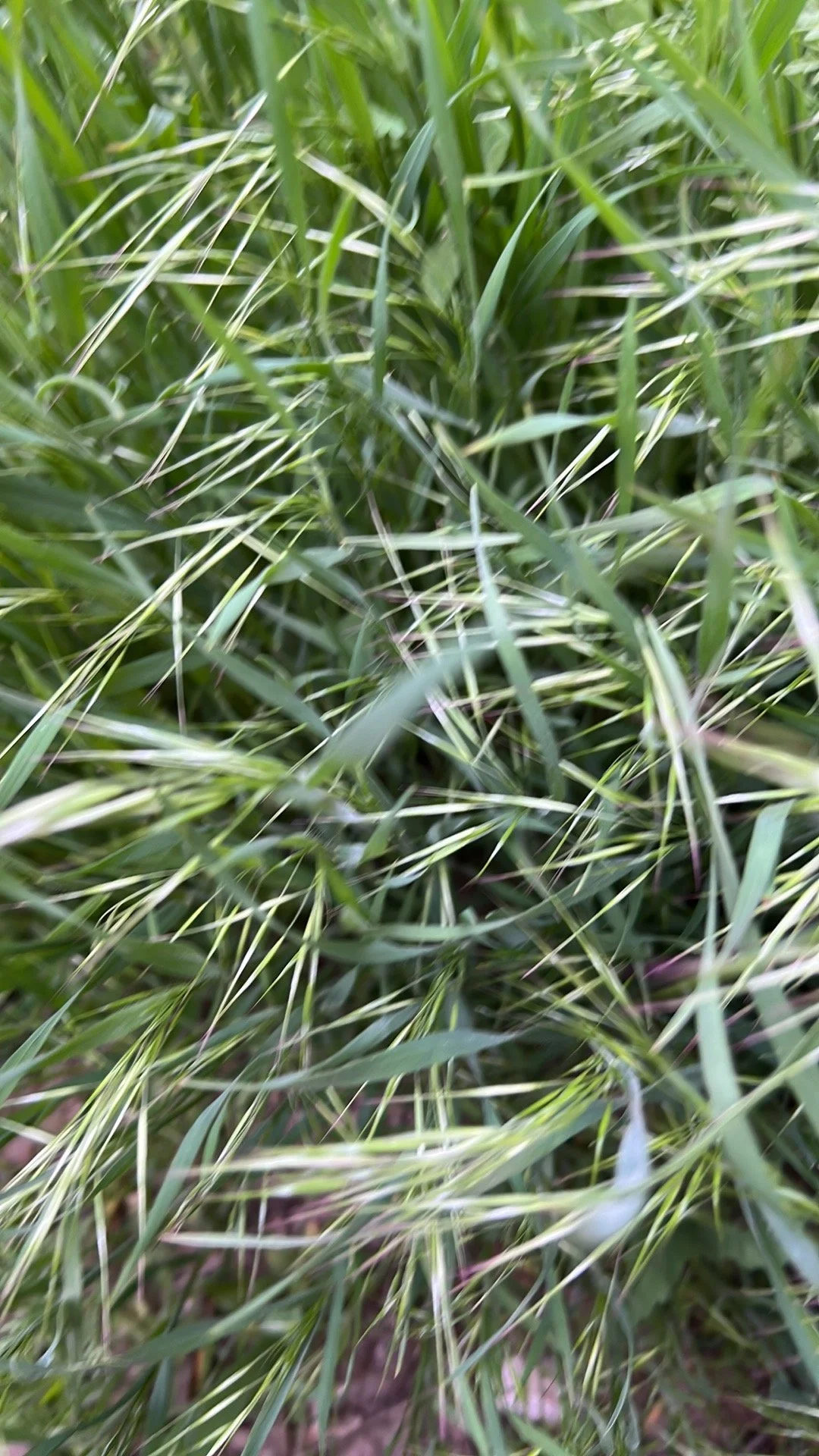
And then there's Milky Oats (Avena sativa) — not warming in the spicy sense, but deeply nourishing to a nervous system that's been running hot all summer. If ginger and tulsi are the herbs that warm and buffer you, milky oats is the one that lets you finally exhale.
Together, these herbs don't just flavor a cup of tea. Across every tradition that has named them, they carry the same message to the nervous system: it's safe to slow down now.
Practices to Support the Descent
As the pace of the year begins to slow, it's worth slowing your practice alongside it. Yin, restorative, or yoga nidra can offer the nervous system a settling, rather than a striving. Staying hydrated and leaning on warm tea over cold water is a small daily act that adds up, and one that Ayurveda has taught for centuries as part of a simple, grounding dinacharya, or daily rhythm.
This is also a season for evaluation. What no longer serves you? Who has access to your energy, and is that still where you want it going? Journaling and meditation are quiet, unglamorous tools, but they're exactly the kind of inward work that prepares you for winter's slower pace. Let your vibration deepen and resonate inward, rather than reaching outward the way summer asked you to.
Nourishing Foods for Autumn's Arrival
Food is one of the most immediate ways to support a seasonal transition, and this time of year favors warmth above almost everything else, especially at breakfast. Cooked, warm meals over raw and cold ones. Warming spices woven into daily food, not just saved for special occasions. Go ahead and reach for the warm apple cider or pumpkin spiced chai. This is a practice both Ayurveda and TCM return to again and again: eat with the season, not against it.
Even the pace of eating matters here. Before a meal, try three slow breaths as a small prayer. Honor the food in front of you, the body receiving it, and the nourishment about to happen. It's a small ritual, but it changes the whole texture of a meal.
Working with Your Hands
There's something about this season that calls us back to our hands. Cooking for the people we love. Drying the last of the garden's herbs. Preparing tinctures, infusions, and the kind of folk remedies that have carried people through the cold months for generations.
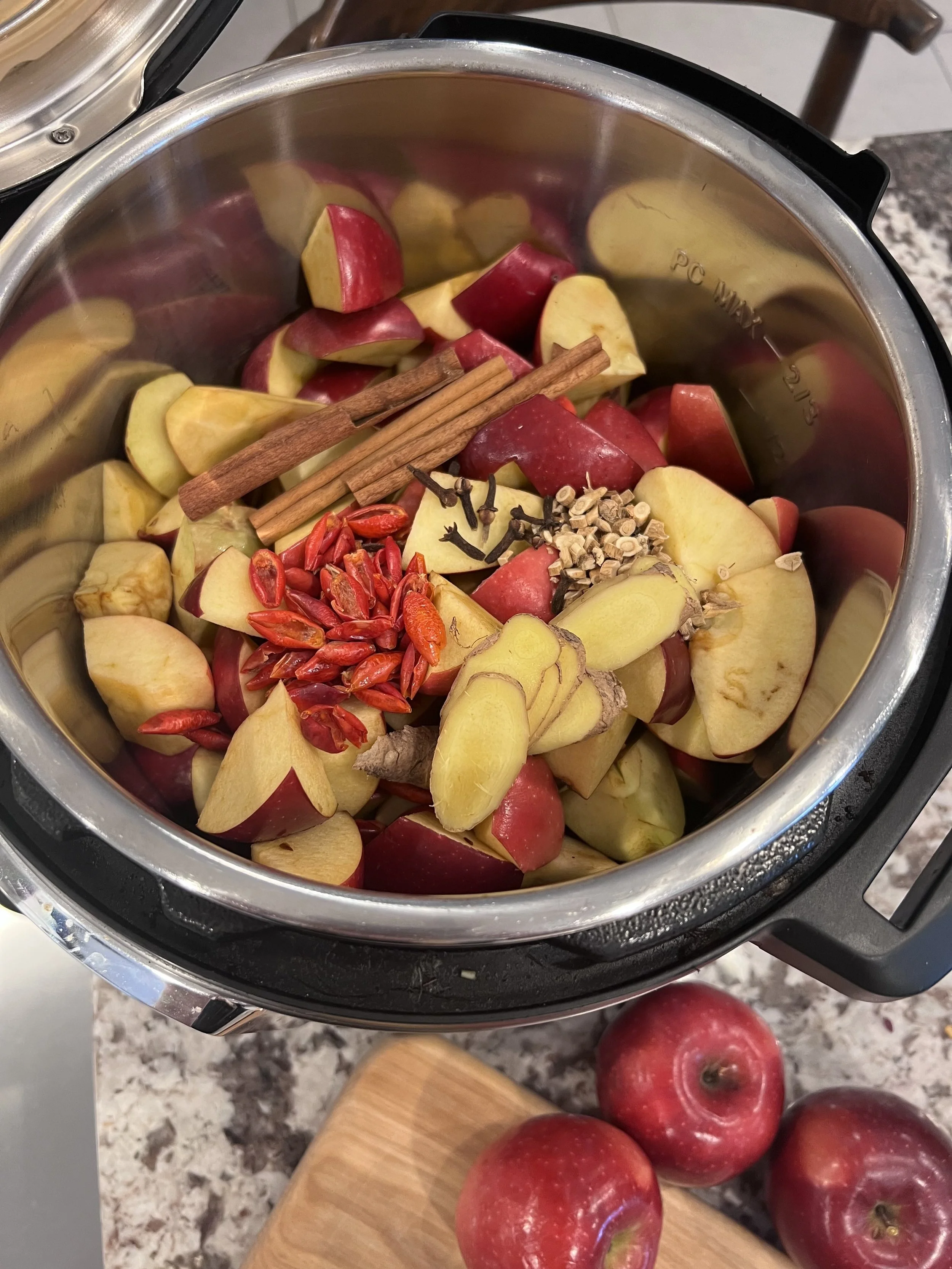
One of my own favorites this time of year is Fire Cider — a spicy, vinegar-based folk preparation built on warming roots like ginger and horseradish, traditionally turned to as the season shifts and immune support becomes the priority. It's humble kitchen medicine at its best. Something you make with your own hands, let steep through the dark of the moon, and lean on all winter long. It feels like exactly the right medicine for this particular threshold.
For now, consider this an invitation: light a candle, put the kettle on, and let your hands find their way back into the season's rhythm.
As Above, So Within
The real medicine of the equinox is not any single herb, but the reminder that we were never separate from these rhythms to begin with. The trees don't hold onto their leaves out of fear, and the earth doesn't resist its own slow cooling. They simply turn, the way they always have, trusting the season that comes next. We're not so different. The same pulse that dims the light and stills the garden moves through us too, asking only that we stop fighting it long enough to feel it. When we steep a warming tea, slow our breath, or let something go before the frost asks us to, we're not just supporting our bodies — we're remembering that we were always part of this turning, not just witnesses to it.
This post is for educational purposes only and reflects traditional herbal wisdom, cross-cultural healing traditions, and personal practice. It is not intended to diagnose, treat, cure, or prevent any disease. Please consult a qualified healthcare provider before beginning any new herbal practice, especially if pregnant, nursing, or managing a health condition.
